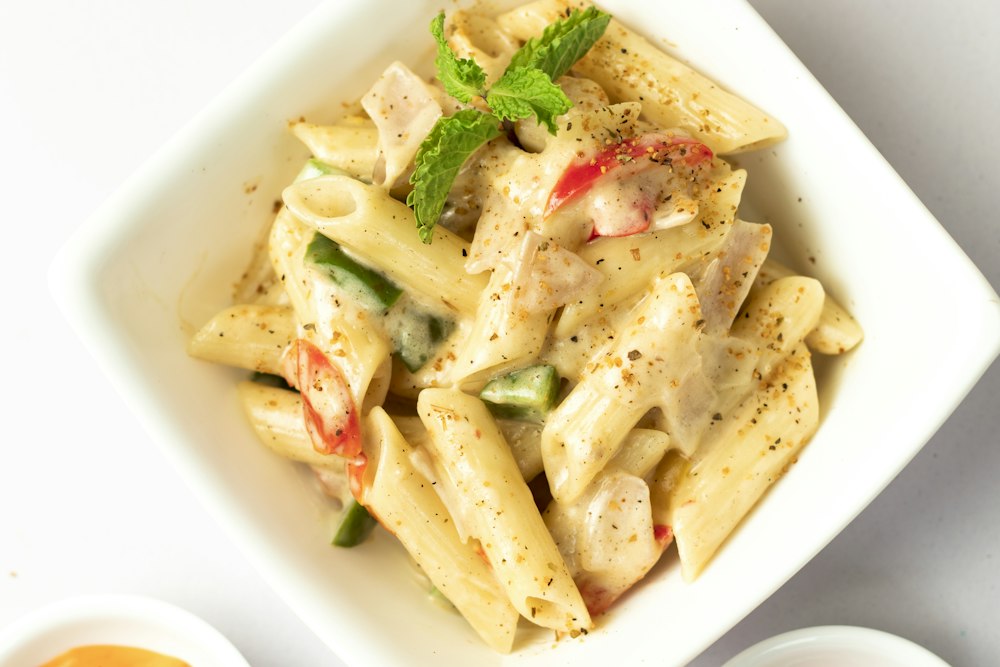
Home cooks frequently produce pasta that looks the part but falls short of restaurant quality in one specific way: the sauce does not cling. It pools at the bottom of the bowl, the noodles slide around, and the dish lacks the cohesive, glossy quality that distinguishes genuinely well-made pasta from merely adequate pasta. The fix is almost always the same thing, and it costs nothing — because most people pour it directly down the drain.
What Pasta Water Is and Why It Matters
As pasta cooks, it releases starch into the cooking water. By the time pasta is al dente, the cooking water contains a meaningful concentration of dissolved starch — typically two to four tablespoons of starch per quart of water. This starch-laden water is a natural emulsifier and thickener. When added to a sauce, it binds fat and water together, creates body, and produces the glossy, clingy quality that defines well-made pasta sauce.
In Italian home cooking, this is not a technique — it is simply how pasta is made. The water is reserved as a matter of course, and adding it to the sauce is as automatic as adding the pasta itself.
How to Use It
Before draining your pasta, scoop out at least one full cup of the cooking water with a ladle or heatproof measuring cup. Reserve it near the stove. This is your pasta water — do not discard it.
- Finish your sauce in the pan over medium heat.
- Add the drained pasta directly to the sauce in the pan — not to a serving bowl.
- Add pasta water, two tablespoons at a time, tossing continuously.
- The starch in the water will bind with the fat in the sauce. Keep adding small amounts until the sauce coats every strand evenly and has a glossy, not watery, appearance.
- The pasta should finish cooking for the final 60–90 seconds in the sauce pan, not the water — this is when the starch on the pasta surface bonds with the sauce.
Pasta water is not a waste product. It is the most important ingredient in the sauce — and it's free.
The Salt Factor
Pasta water should be well salted — the common instruction is "as salty as the sea," which is an exaggeration, but it should taste assertively salty. Under-salted pasta water is one of the most common reasons home pasta tastes flat. The pasta absorbs some of this salt during cooking, and the residual salt in the starchy water seasons the sauce as you add it. A tablespoon of kosher salt per four quarts of water is the minimum; two tablespoons is closer to the mark for optimal flavor.
Which Sauces Benefit Most
Pasta water is essential for olive oil–based sauces (aglio e olio is impossible without it), tomato sauces (it reduces acidity and adds body), and especially carbonara and cacio e pepe — both of which depend on pasta water to create their characteristic silky, emulsified texture without cream. Cream-based sauces benefit less but still improve. Pesto specifically should never be cooked — stir pasta water into pesto off the heat to loosen and emulsify it before tossing.